The long-time Youth Services blog "Kidding Around" will cease at the end of this month, and the Des Plaines Public Library will move to a library-wide blog featuring posts from different departments and covering a wide variety of topics. Our entire web site is getting an overhaul, and the blog will be one of the exciting new elements you may use to engage with the library.
We have enjoyed providing you with kid-related and friendly posts over these years - some informative, some educational, some silly - but all done with the interests of you and your children or the children you serve in mind. We will look forward to posting for you in the future from our new library-wide blog, and we also hope you will visit us on the 2nd floor of the library...often.
See you soon!
Friday, January 31, 2014


Thursday, January 2, 2014
Play and Read: how to get your child ready for reading

At the tri-yearly Get Your Child Ready to Read programs we host here at the library, one of the biggest things we like to stress is that when children play, they learn. Playing with children is one of the five activities set by the Public Library Association and Association of Library Service to Children for getting your child ready to read. Their program, Every Child Ready to Read, sets up simple steps for parents to do at home to give children all of the skills they need in order to be able to read.
Early literacy is a big hot-topic word, which can be confusing. Basically,
early literacy is what children know about reading
and writing before they can actually read or write.
A great example of this is how to hold a book. Before you can learn to read, you need to know how to hold a book (which side is up, which side is down, how to turn a page). You can teach your child how to hold a book by consistently reading alongside them.
Here in the library, we try to help you find ways to do all five of these Every Child Ready to Read activities in the various storytimes and programs we host here in the library. This past week, we hosted our DUPLO storytime, during which we find time for reading, singing, and a little bit of fun play with one of the DUPLO build and read sets.
If you missed the program, don't worry. We will host them again in the spring and also in the summer. If you can't wait that long, feel free to stop by and ask someone at the desk. They can help you find some fun books and songs to accompany a DUPLO set at home. At $10-$12 each, they can be slightly expensive for just a book and some blocks, but perhaps you can talk to friends and each buy a different set and swap - or add it to a holiday or birthday wish-list.
We know you work hard every day to provide your family the best, and we want to help you with that. Please let us know if we can find some materials to supplement your child's growth. Want to learn more about Every Child Ready to Read? Join us in February for our program Early Literacy: getting your child ready to read.
Friday, December 27, 2013
2013 year in review (or, Mostly We Moved a Lot of Stuff)
We kicked off 2013 with a wonderfully successful Winter Reading Club: Chill Out and Read! And it's sure to be another fun winter of reading when this year's program: Reading is a Breeze! kicks off on January 4.
As the months rolled by, we learned robotics in the LEGO WeDo programs, where kids built functional robotics projects, we had an Art Attack, we sang with Ac*Rock, we became better babysitters, we challenged our Chess Mates, and practiced our PoetryPlay with a visit from poet Rebecca Kai Dotlich.
Then things heated up with Have Book, Will Travel, our 2013 Summer Reading Club. Over 2000 kids participated and 60 awesome teen volunteers made it an awesome summer with our Around the World in 80 Minutes (or less) kickoff and our Radio Disney Dance Party to celebrate! Thanks, guys.
Fall brought us LEGO Build a Reader storytimes, Polish and Hispanic Heritage Month events, Veterans Day letter writing, Kids Get Crafty, and Family Science Expo. I am out of breath (and my fingers ache from typing).
On top of the multitudes of fun stuff you may have noticed a few cosmetic changes happening on the 2nd floor of the library in recent months. Your 2nd floor self-check is still here, but in a different spot, and it's sharing a wall with the video screen that tells you about all the great programs we have going on. The parenting collection has made a leap across the room to be with our homeschooling and curriculum materials (I think it was lonely). The Chicago Bears Friend-Ship, a long-time fixture on the kids floor, has gone into dry dock. Our collection of music CDs is freeing itself from the too-high-for-kids furniture it currently lives in to be shelved with other media and at a much more browse-able level and in a place where it may grow.
Most of these minor changes are in preparation for some BIG changes to come. In 2014 we plan to increase the size of our program room. That's right! The place where for years you have come for storytime, for crafts, for games, for Wild Times, for so many good times is about to get super-sized! We are going to bust out a wall and get some much needed space. It may mean that things are a little out-of-sorts for a while, but rest assured the end result will be so much greater in so many ways!
We have had such a wonderful year, and we feel blessed to have spent it with you. If you're not here, you're missing out!
Best wishes to you and your family for a wild and wonderful 2014.
Friday, December 20, 2013
My Embarrassing (and not so embarrassing) Musical Heritage
Lately I’ve been revisiting my embarrassing musical heritage. We all have one. It’s the music you grew up listening to that hasn’t aged well, but still evokes fond feelings from your childhood. Your friends chuckle when the tracks comes up on your playlist, but you love them, so they stay.
Working with preschoolers, I am keenly in tune with the children’s music segment of my embarrassing musical heritage. How about you? Do you remember the music your parents played for you as a child?
In the late 80’s early 90’s, my parents were big on children’s folk. Some of it I still consider top quality music. Diss Burl Ives? Them's fightin' words.
Other CDs are hard to sit through despite nostalgia. Red Grammer’s excessive use of the drum machine in Teaching Peace comes to mind. But yet, I still sing his heart warming “I think you’re wonderful” whenever words alone will not adequately convey the sentiment.
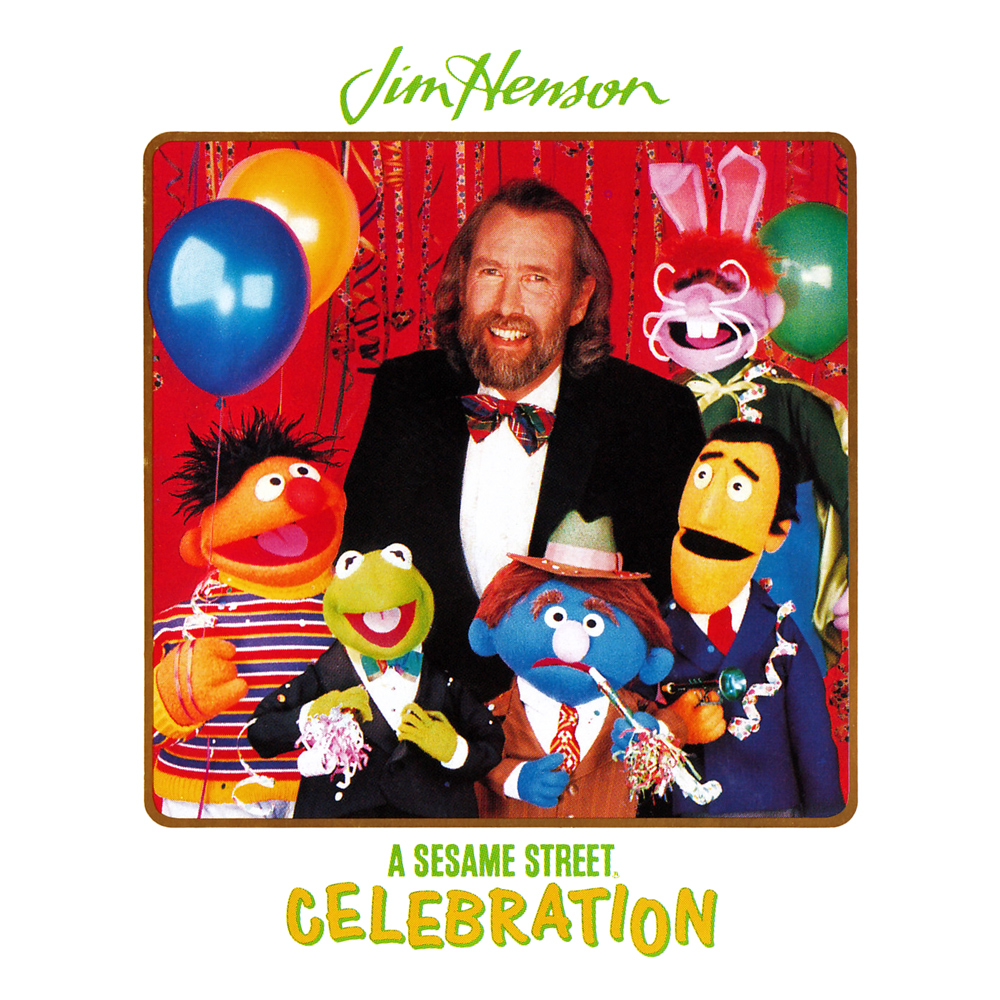
Some albums are still popular. 37 years after the release of Singable Songs for the Very Young, toddlers are still dancing to Raffi. In 2009 Sesame Street re-released a collection of old school gems for their 40th anniversary. Kids can still learn their multiplication tables to Schoolhouse Rock.
Many older CDs have been loved into oblivion, (no one seems to own John Mccutcheon's Howjadoo anymore), but others are still available in the wider library system. You can put them on hold from home, and have them delivered to Des Plaines Public Library for pickup. Click here to start your search.
All embarrassment aside, I am grateful to my parents for seeking out music that would help me learn and grow. Did you know that when you and your child sing along to your favorite songs, you are helping your child learn to break words into syllables? By enjoying music together, you are setting your child up for success in school! Now that's something to sing about.
Here are some titles from my musical heritage. What about yours?




Friday, December 13, 2013
What Grandparents Do Best

Grandparents really are "grand" because of all the wonderful things they do for their grandkids.
And, no doubt, your family holiday celebrations will not be complete without visiting, calling or even Skyping Grandma and Grandpa! To add to your family's time together, why not share a few funny books that tell exactly what grandma and grandpa mean to your kids, or what their favorite names are for them, and what it's like to visit grandma and grandpa's house this season:
When You Visit Grandma and Grandpa
Grandparents are the Greatest Because..
The Ultimate Guide to Grandmas and Grandpas
What Grandmas/Grandpas Do Best
I Call My Grandma Nana
I Call My Grandpa Papa
40 Uses for a Grandpa
41 Uses for a Grandma
How to Babysit a Grandpa
Friday, December 6, 2013
It's the Holiday Season!
There's nothing I love more than spending an evening at home with a good book and a mug of hot chocolate while the cold December winds blow outside. Even though I was born and raised in Chicago, I'm still not used to the chilly winters here in the Midwest! However, I don't mind braving the cold if it means I can have some wintery fun with loved ones. Luckily for me, Des Plaines has some wonderful family friendly activities planned for the month of December. Read on to find out more!
Friday, December 6 (today!) is Des Plaines' annual tree lighting event, Holiday on the Square. Located in downtown Des Plaines' Metropolitan Square, this festive gathering includes tree decorating, a visit from Santa, musical entertainment, and chestnuts roasting on an open fire! The fun begins at 4:00 pm. For more information on Holiday on the Square, click here.
The Des Plaines Park District will host their annual Winter Wonderland celebration at the Frisbie Senior Center on Saturday, December 7 and Sunday, December 8. The free family festival features kids' crafts, bingo, face painting, model train displays, and much more. You can even catch a staff member from the Des Plaines Public Library at a very special storytime! For more information on Winter Wonderland, click here.
Looking for a way to give to others during the holiday season? The Des Plaines Public Library is here to help! The Mitten Tree Project collects new hats, gloves, mittens, and scarves for those in our community who are in need. Items will be collected at the Des Plaines Public Library through Friday, December 13.
And last but certainly not least, don't forget to stop by the library! Our Winter Magic Show on Sunday, December 22 is sure to delight kids of all ages. Looking for a way to get crafty? Attend our Bling in the New Year program on Friday, December 27. We'll be making all kinds of holiday accessories, including hair clips and head bands. And whether you celebrate Kwanzaa or Christmas (or you just wrapped up your Hanukkah festivities), we have something for everyone in our special holiday book collection. Click here to browse some of my favorite winter reads.
Happy Holidays!
Friday, December 6 (today!) is Des Plaines' annual tree lighting event, Holiday on the Square. Located in downtown Des Plaines' Metropolitan Square, this festive gathering includes tree decorating, a visit from Santa, musical entertainment, and chestnuts roasting on an open fire! The fun begins at 4:00 pm. For more information on Holiday on the Square, click here.
The Des Plaines Park District will host their annual Winter Wonderland celebration at the Frisbie Senior Center on Saturday, December 7 and Sunday, December 8. The free family festival features kids' crafts, bingo, face painting, model train displays, and much more. You can even catch a staff member from the Des Plaines Public Library at a very special storytime! For more information on Winter Wonderland, click here.
Looking for a way to give to others during the holiday season? The Des Plaines Public Library is here to help! The Mitten Tree Project collects new hats, gloves, mittens, and scarves for those in our community who are in need. Items will be collected at the Des Plaines Public Library through Friday, December 13.
And last but certainly not least, don't forget to stop by the library! Our Winter Magic Show on Sunday, December 22 is sure to delight kids of all ages. Looking for a way to get crafty? Attend our Bling in the New Year program on Friday, December 27. We'll be making all kinds of holiday accessories, including hair clips and head bands. And whether you celebrate Kwanzaa or Christmas (or you just wrapped up your Hanukkah festivities), we have something for everyone in our special holiday book collection. Click here to browse some of my favorite winter reads.
Happy Holidays!
Friday, November 29, 2013
Handmade Holidays

.png)
Families have feasted, Hanukkah is here, Christmas lights are strung -- Holiday season has officially begun. And although 5:00 am shopping is fun for some, making your holidays homemade can be even more rewarding.
You don't have to knit a sweater or make lavender scented soap to add something homemade to your holidays -- it's the little things -- the traditions you create -- that will make your holidays most memorable. So designated a day (an hour, fifteen minutes, any amount of time you can find) to creating with your kids. A time when you don't worry (much) about the mess or crafting something Martha Stewart Living worthy. Just create -- even if it is as simple as making hot chocolate together (and sipping it while you read a book out-loud).
It really is the little things.
Worried about a glitter accident in the living room? Bring the family to the library's Kids Get Crafty program on December 14th, and craft with them.
And be sure to check-out the Youth Services display case in December -- it's packed full of holiday crafting, creating, and cooking books. Here are a few of the titles included:
I Wanna Make Gifts by Clea Hantman
Cool Holiday Treats by Pam Price
Crafts to Make in the Winter by Kathy Ross
Happy Holidays!
Subscribe to:
Posts (Atom)